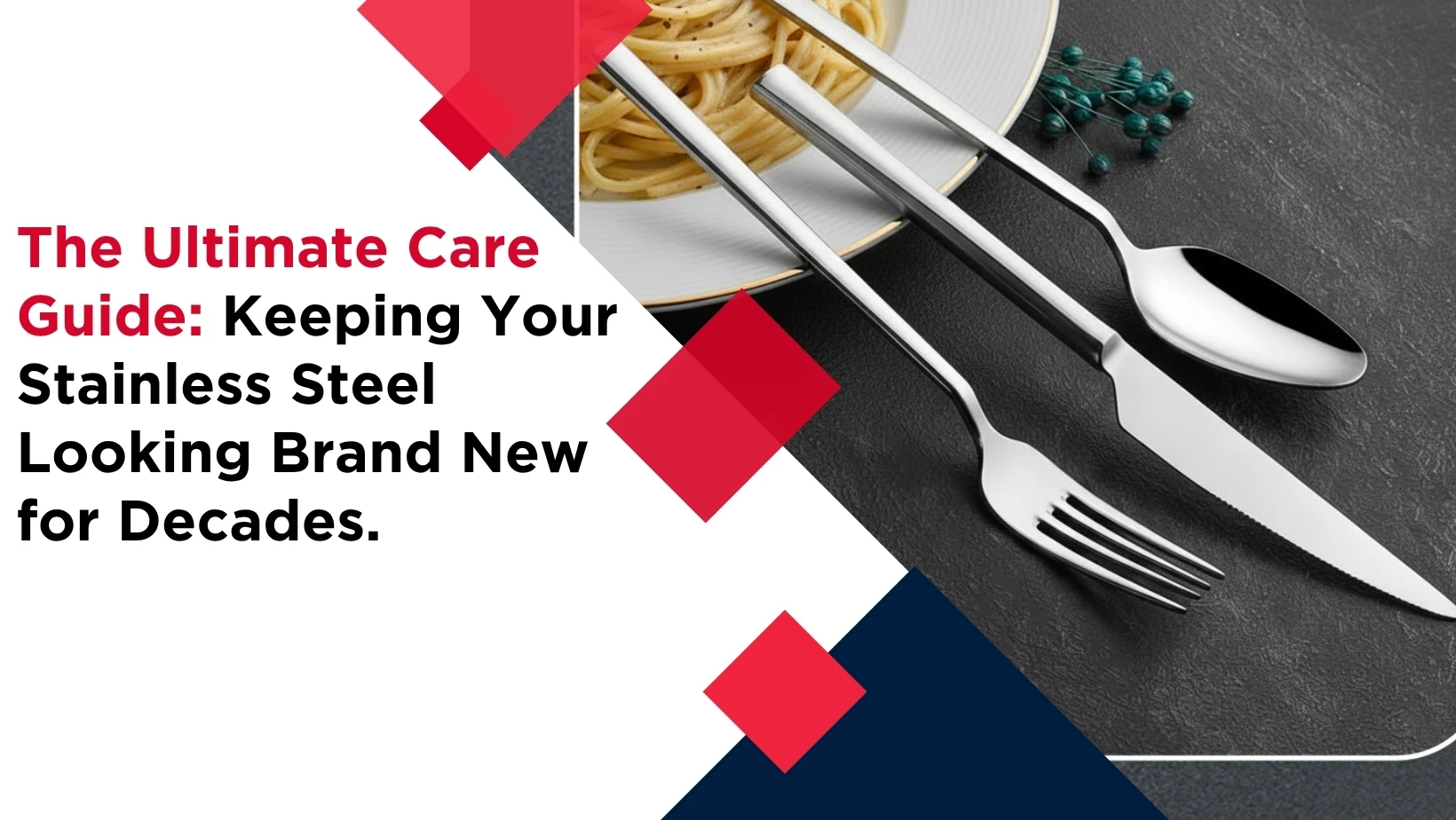
The Ultimate Care Guide: Keeping Your Stainless Steel Looking Brand New for Decades
There are few materials in the kitchen and on the dining table as dependable as stainless steel.
It withstands daily use, resists corrosion, and maintains its elegance year after year. From cookware and serving bowls to cutlery and tabletop essentials, stainless steel has earned its place as one of the most trusted materials in both professional kitchens and modern homes.
Yet, like anything that becomes part of everyday life, it benefits from thoughtful care.
The good news is that stainless steel does not demand complicated maintenance. With a few simple habits, it can retain its shine, strength, and finish for decades — often looking just as beautiful as the day it was purchased.
Why Stainless Steel Is Built to Last
The enduring appeal of stainless steel lies in its composition. Its chromium content forms a protective layer on the surface, helping the metal resist rust, stains, and corrosion.
This makes stainless steel uniquely suited for environments where moisture, heat, and food contact are constant — kitchens, dining tables, and hospitality spaces.
However, while stainless steel is highly durable, small marks like water spots, fingerprints, or mineral deposits can occasionally dull its shine. Regular care ensures that these remain temporary and easy to manage.
Daily Cleaning: The Simplest Habit That Makes the Biggest Difference
The most effective way to keep stainless steel looking new is also the simplest.
After use, wash the surface with warm water and a mild dish soap using a soft sponge or cloth. This removes oils, food residue, and light stains before they settle.
Once washed, drying the item with a soft cloth helps prevent water spots — particularly in regions where hard water leaves mineral marks.
This simple routine is often enough to maintain the natural sheen of stainless steel products.
Dealing with Water Stains and Mineral Spots
Water spots are one of the most common concerns with stainless steel, especially on polished cutlery and serving pieces.
These marks are usually caused by minerals in tap water rather than damage to the steel itself.
Fortunately, they are easy to remove.
A gentle wipe with a soft cloth dipped in a solution of water and a small amount of white vinegar can dissolve mineral deposits and restore the original shine. After wiping, rinsing with clean water and drying the surface ensures the finish remains spotless.
For larger cookware or serving vessels, a quick polish with a microfiber cloth can also bring back the natural luster.
Removing Stubborn Marks Without Damaging the Finish
Occasionally, cookware or serving pieces may develop tougher stains from heat, food residue, or prolonged use.
Instead of harsh chemicals, mild solutions often work best.
A paste made from baking soda and water can help lift stubborn marks without scratching the surface. Apply gently with a soft cloth or sponge, rub lightly along the grain of the steel, and rinse thoroughly.
Avoid abrasive scrubbers or steel wool, as these can scratch the surface and affect the finish over time.
Patience and gentle cleaning methods always deliver better results with stainless steel.
Caring for Stainless Steel Cutlery
Cutlery often experiences the most frequent handling, making it more susceptible to fingerprints, minor stains, or dishwasher residue.
To keep stainless steel cutlery looking elegant:
• Rinse soon after use, especially when exposed to acidic foods.
• Avoid leaving cutlery soaked in water for extended periods.
• If using a dishwasher, ensure pieces are dried promptly after the cycle.
• Occasionally polish with a soft cloth to restore shine.
These small habits help maintain both appearance and hygiene.
Maintaining Stainless Steel Cookware
Cookware faces a more demanding environment — high heat, oils, and regular washing.
To maintain its finish and performance:
• Allow cookware to cool before washing to prevent thermal shock.
• Use mild detergents instead of strong chemical cleaners.
• Remove heat stains with a gentle baking soda paste.
• Dry thoroughly to prevent water marks.
With proper care, stainless steel cookware can maintain its functionality and appearance for decades.
Storage Habits That Protect the Finish
Even when not in use, how stainless steel products are stored can influence their longevity.
Stack cookware carefully to avoid surface scratches. For cutlery and serving pieces, dry storage environments prevent moisture buildup and maintain hygiene.
Many households also prefer soft drawer liners or organizers to keep cutlery protected while ensuring easy access.
These simple practices preserve the finish and keep products ready for everyday use.
Why Quality Stainless Steel Ages Gracefully
When well-crafted stainless steel is cared for properly, it does not simply last — it ages beautifully.
Over time, the surface may develop a subtle character from years of use, much like well-loved kitchen tools found in professional kitchens. Rather than appearing worn, it reflects the reliability and durability that stainless steel is known for.
At Shapes, this philosophy shapes the way products are designed and manufactured. With decades of expertise in stainless steel tabletop and kitchen solutions, the focus remains on creating pieces that combine durability, refined finishes, and everyday usability — ensuring they continue to perform beautifully for years to come.
Shapes brochure and website con…
Care That Preserves More Than Just the Product
Ultimately, maintaining stainless steel is about more than preserving shine.
It is about preserving the tools that accompany everyday meals, celebrations, and gatherings.
A well-cared-for cutlery set that appears during family dinners…
A serving bowl that hosts countless festive meals…
Cookware that becomes part of daily kitchen routines.
With just a little attention, stainless steel products can continue to serve homes for decades — quietly retaining their beauty while becoming part of the memories created around them.